
Ad-hoc reporting is particularly useful when a company faces unexpected changes, like sudden shifts in costs or market demands. FP&A teams can use ad-hoc reports to analyze these developments in detail, helping the company adjust strategies effectively. Risk management is also a crucial part of FP&A, with over 65% of companies integrating risk assessments directly into their financial planning to help prevent financial shocks. FP&A is a process that helps businesses plan and manage their money to achieve their goals. It involves gathering details about how much money the company is making, spending, and what they might face in the future.

Abu Dhabi Corporate Tax Consultant-Compliance & Savings
Whether you’re looking to improve forecasting accuracy, align sales goals through sales incentives, or track performance, Kademi provides the infrastructure to make your financial plans actionable and scalable. From budgeting and forecasting to scenario planning and data-driven decision-making, FP&A gives you the clarity to move with purpose and precision. Its effectiveness depends on how well it collaborates with sales, marketing, HR, and operations. When teams share information freely, forecasts become sharper and financial decisions more holistic.
Key performance indicators (KPIs)
- After that, they carry out the allocation of expense budgets for all business units.
- The goal is to test scenarios, evaluate decisions, and answer “what if” questions that guide strategy.
- Cash flow analysis distinguishes profitable companies from those that struggle despite strong earnings.
- For example, the ERP system serves as a single source of truth for financial and operational data, whether historical or real-time.
- By assessing a range of possible scenarios, FP&A provides vital intelligence for executives managing risk and uncertainty.
- Intuit Enterprise Suite is designed to replace manual methods and provide the tools necessary to streamline FP&A functions within your business.
This highlights the critical need for effective financial planning and analysis (FP&A). Understanding your company’s financial health is important for sustainable growth, but many businesses find their current tools lack deep financial insights. Cash flow analysis distinguishes profitable companies from those that struggle despite strong earnings. Operating cash flow shows whether core business activities generate sufficient liquidity, while investing activities reveal capital allocation decisions. The balance sheet provides a snapshot of financial position and capital structure at a given point in time. FP&A monitors working capital components—accounts receivable, inventory, and accounts payable—to optimize the cash conversion cycle.
- It’s clear that as business complexities mount, FP&A remains essential—its adaptability and influence are only set to grow.
- In the course, an industry expert with vast experience explains several key topics like financial accounting, cost accounting, financial modeling, and financial risk management.
- Financial models power nearly every major business decision FP&A teams make.
- CFOs and finance leaders use FP&A platforms to align financial planning with business objectives and to drive decision-making.
- As a result, FP&A’s data and forecasts feed into the long-range planning process, creating a cohesive strategy.
Long-Term Assets
By exploring the key concepts involved with financial planning and analysis, we’re taking a look at ways it can help enhance your organization’s financial performance and achieve your business objectives. FP&A’s primary responsibility is to connect senior management’s long term “strategic plan” to what is fp&a reality. The strategic plan is a top-down, senior management driven document that sets high-level targets (revenue, net income, core strategic initiatives, etc.) for the firm anywhere from 2-10 years in the future.
- These insights shape decisions on resource allocation, hiring, and strategic priorities.
- By leveraging modern FP&A solutions like Jedox, organizations can enhance financial accuracy, improve forecasting, and drive sustainable growth.
- FP&A responsibilities often involve scenario planning and risk assessment to prepare the organization for potential financial challenges.
- This consists of collecting all the financial and operational data from each business unit, ERP systems, data warehouses, and internal department.
- Budgets define spending limits and targets, while forecasts update expectations as results change.
- Whether preparing for earnings calls, capital raises, or long-term strategic shifts, we bring the insight and financial structure needed to support confident decision-making.
- Strong FP&A professionals combine technical excellence with business acumen.
As a result, FP&A leaders are struggling with modernizing their function to keep up with the business. In a global survey sponsored by Deloitte, leading organizations weighed in on the key challenges shaking up their FP&A operations. Discover how Deloitte’s FP&AaaS can deliver high-impact FP&A activities at scale, leveraging next-generation FP&A tools and methodologies while developing leading-practice future-state strategies. Our expert team is dedicated to transforming your FP&A operations to drive value and efficiency across your organization. Fostering a collaborative culture that values teamwork, trust, and open dialogue helps both teams keep the company on a path of financial prudence and strategic vision.
Blockchain & Digital Assets
- Planning was often limited to an annual budget, created by accountants and managers once a year and revisited infrequently.
- Roles range from entry-level analysts to senior directors who manage complex forecasting and strategic finance initiatives.
- By demonstrating your ability to connect KPIs to business strategy, you’ll build credibility that opens doors to roles in FP&A and beyond.
- While it works closely with accounting, its purpose and approach are distinct.
- The explanations are provided along with examples to help learners build practical knowledge.
This varies company to company but is a very common methodology to evaluate projects across a company’s portfolio of projects. A cash flow statement provides a summary of the cash generated or used by a company in a given period of time. It’s one of the three main financial statements, along with the balance sheet and income statement.
FP&A Salary Breakdown and Career Path
Training in Business Intelligence and Data Science can further enhance your skills and abilities. The path to becoming an FP&A professional is more direct, often building on a bachelor’s degree in finance or economics with on-the-job experience at investment banks or in corporate finance positions. Many also pursue MBAs or specialized certifications like the CFI’s FP&A Specialization. They only enter the Controller position after several years of experience in accounting or auditing, passing through several levels of seniority. But if you just want to earn a solid six-figure income, do routine accounting/finance work, and enjoy your life outside of work, this role might be perfect for you. Sometimes Big 4 and other accounting professionals move in, but that tends to happen at what are retained earnings the Analyst or Senior Analyst levels instead.
Zero-Based Budgeting

With the help of automated systems and integrated data platforms like Kademi, forecasting becomes less about guesswork and more about precision planning, helping teams stay agile in shifting markets. Done well, this function allows you to allocate resources wisely, avoid cost overruns, plan for incentive compensation management, and align team priorities with strategic objectives. FP&A teams rely on data generated by the controller’s team to build their models. For example, the controller’s actuals feed directly into the variance analysis and rolling forecasts that FP&A prepares. Where controllers produce financial statements, FP&A professionals interpret them — translating the numbers into implications for growth, profitability, and resource allocation. And while the CFO defines the strategic path, FP&A helps map the financial route to get there.
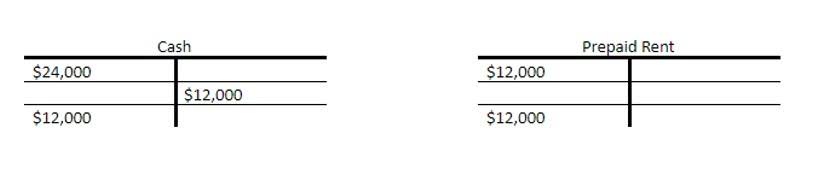
FP&A Modeling Pt.6 – Financial Statement Aggregation
Effective risk management in financial planning helps businesses stay prepared for unexpected challenges. This includes analyzing market changes, economic uncertainties, and operational risks. Financial Planning and Analysis, or FP&A, circumscribes a wide variety of practices finance teams perform on any given day. FP&A also plays a role in financial consolidation—enabling accurate group reports, timely financial statements, and robust financial control. By aligning financial strategies with business objectives, FP&A helps organizations sustain growth and enhance financial performance.
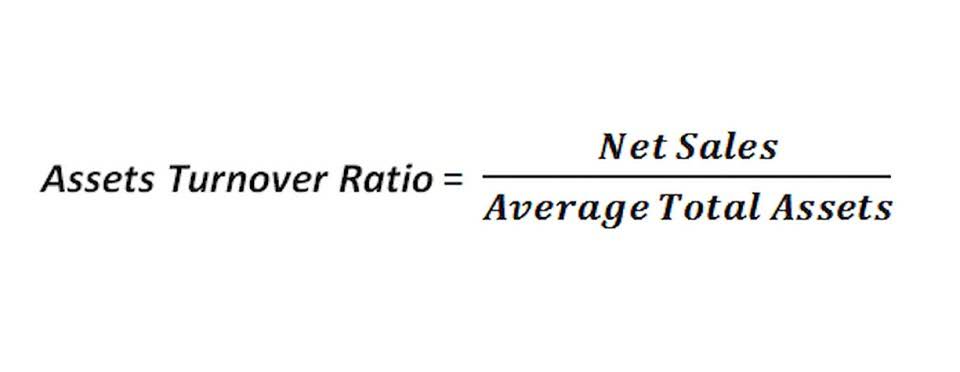
This collaboration provides leaders with a clear financial roadmap, supports growth, and ensures resources are used effectively. Each report, forecast, and analysis strengthens the company’s financial foundation, making FP&A a key partner in strategic decisions. Financial Planning and Analysis (FP&A) matters because it keeps a company’s finances on track and helps leaders make smart decisions for growth. FP&A teams Foreign Currency Translation dive into a company’s income, expenses, and potential market trends, using this data to create budgets and forecasts that tell a company what’s likely to lie ahead.
Leave a Reply